
Utilities & Off-Grid
Private Well Planning for a Colorado Cabin Property
Water is the question that decides more Colorado cabin projects than any design choice. Colorado water law does not treat a well as an automatic right of land ownership, and the rules that apply depend on your parcel's location and its division history. This guide explains what to research and who to ask. A-Hut cannot promise that a permit will be issued, that water will be found, or that a well will produce a particular quantity or quality.
By A-Hut · Published · Updated · 10 min read

The short answer
In Colorado, wells are permitted by the Division of Water Resources (DWR), part of the Department of Natural Resources. Whether a well can be permitted on a parcel, and what it may be used for, depends on where the parcel is, what the aquifer situation is, and how the land was divided.
That last point surprises people. DWR publishes material on land divisions and water supply precisely because a parcel's subdivision history can determine which water supply options are available to it. Two adjacent parcels can be in different positions.
The practical takeaway: research the water question before you fix a design, a building location, or a purchase. Everything else on the property is easier to change than this.
Read that sequence literally. A floor plan can be adjusted, a driveway can be re-routed, and a foundation type can be reconsidered after a soils report. What water rules allow on a specific parcel is not negotiable by design effort, and it is not something a builder, a real estate agent, or an architect can decide on your behalf. The parties who can answer are the Division of Water Resources, your county, and a licensed well contractor who works in that area.
Start with the legal parcel and its history
Before asking whether a well is possible, establish exactly what the parcel is. The legal description, the plat, and the division history are the inputs DWR and your county will work from.
If you have not purchased yet, this belongs in your contract-stage work — see the land due-diligence checklist.
Gather this material in writing rather than relying on what you are told. A recorded plat, an assessor record, and a title commitment together usually reveal whether the parcel was created through a formal subdivision process, an exemption, or an older split, and that distinction is exactly what the water-supply question turns on. If the documents disagree with each other, treat the discrepancy as the first thing to resolve — not a detail to sort out later.
- Obtain the parcel number, legal description, and recorded plat.
- Determine when and how the parcel was created or divided, and whether it was part of a larger subdivision action.
- Ask the county whether the parcel is recognized as a legal building lot.
- Identify whether the parcel lies within a water or sanitation district service area.
- Note any water-related covenants, agreements, or shared-well arrangements recorded against the property.
- Ask the seller for any well documentation they hold, including permits, drilling records, and pump test information.
Search the existing records
Many Colorado parcels already have well records, even where no well is visible on the ground. DWR's well permit search lets you look up permits by location or permit number, which is the fastest way to learn what has previously been approved, drilled, or abandoned.
Existing records tell you what use was permitted, not what you may now do. Permit conditions can be narrow, and an old permit may not support the use you have in mind.
It is also worth reading the records for what they do not contain. A permit with no construction report may mean the well was never drilled. A well that appears on an old map with no permit at all is a question to raise rather than an asset to assume. And a shared or neighboring well arrangement is a legal instrument, so read the recorded document rather than accepting a description of it.
- Search DWR records for the parcel and for adjoining parcels.
- For any existing permit, note the permitted use, the conditions, and whether the well was ever completed.
- Look for a well construction report and a pump installation report.
- Check whether a physical well exists on site and whether it is in usable condition.
- Ask DWR how an existing permit relates to the use you intend, rather than assuming continuity.
- Keep copies of everything you find, dated, for the county and for your design team.
Allowable use is the question that matters
A well permit specifies what the water may be used for. The distinction between household use inside a single structure, broader domestic use, livestock watering, and irrigation is not cosmetic — it is the substance of the permit, and it directly affects what you can plan for the property.
Ask DWR what use categories are available for your parcel, and design around the answer rather than around an assumption. If your plans involve more than one structure, a rental use, or outdoor water, say so explicitly when you ask.
This is where cabin projects most often have to change shape. A plan that assumed a main structure plus a guest unit, or a garden office with its own plumbing, or irrigated landscaping, may need to be reduced or re-sequenced once the permitted use is confirmed. Learning that early costs you a phone call. Learning it after design work is complete costs considerably more, and the design will still have to change.
- Describe your intended uses in full when you contact DWR, including any second structure or outdoor use.
- Ask which permit types could apply to this parcel and what each one allows.
- Ask what conditions or limitations typically attach to those permit types.
- Ask what happens if the intended use changes later.
- Confirm with the county whether the intended use is also allowed under zoning.
Location-specific rules may apply
Colorado has areas where additional or different rules govern groundwater. DWR maintains dedicated material on well permitting in Denver Basin areas and in Designated Basin areas, and publishes rules for each.
Whether your parcel falls inside one of those areas is a factual question with a definite answer — ask DWR rather than inferring it from a neighbor's situation. The same is true of any augmentation or water-supply plan requirement that may apply.
Keep a written record of the answers, including who you spoke to and when. Later in the project a county planner, an engineer, or a lender may ask the same question, and being able to point to a documented response from the administering agency is far more useful than repeating a recollection of a conversation.
- Ask DWR whether the parcel is within a Designated Ground Water Basin.
- Ask whether Denver Basin rules apply to the parcel.
- Ask whether any augmentation or replacement supply requirement applies.
- Ask which DWR division office administers the area and how to reach them.
- Read the beginner's guidance DWR publishes before your first call, so the call is more productive.
Coordinating a well with septic, access, power, and the building site
A well is not an isolated element. Its location interacts with the wastewater system, the driveway, the electrical service, grading, and where the structure can sit. County public health departments set separation requirements between wells and onsite wastewater systems, and those requirements — along with any DWR and local rules — govern layout. This page deliberately gives no distance figures, because they are jurisdictional and specific.
Plan the well, the septic system, and the structure together on a single site plan. Our water, septic, and power overview and the types of septic systems guide cover the wastewater side in more depth.
In practice this is a spatial puzzle with several constraints at once: the wastewater system needs suitable soil and area, the well needs separation from that system and rig access to reach it, the driveway needs a workable grade, the electrical service needs a route, and the structure needs the part of the site that is left. On a constrained or steep parcel, the order in which you commit to those elements determines whether the last one still fits.
- Ask the county public health department what separation requirements apply between a well and an OWTS on this parcel.
- Locate the well, the wastewater system, and the structure on one site plan before finalizing any of them.
- Confirm drill rig access: width, grade, turning radius, overhead clearance, and surface condition.
- Plan the electrical supply to the well and how it relates to the service entrance.
- Consider the water line route, its depth, and how it enters the structure — a foundation detail as much as a plumbing one.
- Plan grading and drainage so surface water moves away from the wellhead.
- Consider winter access and freeze protection for a property used seasonally.
- Note where a cistern or hauled water would sit if a well is delayed or does not serve the intended use.
A decision sequence for the water question
Following this order keeps you from spending money on design that a water answer later invalidates.
- 1. Establish the legal parcel, its division history, and whether a district serves it.
- 2. Search DWR records for existing permits and construction reports.
- 3. Contact DWR about permit availability and allowable use for the parcel, describing your actual plans.
- 4. Ask the county public health department about wastewater and separation requirements.
- 5. Talk to a licensed well contractor about access, local drilling conditions, and what they have encountered nearby.
- 6. Place the well, wastewater system, and building area together on a site plan.
- 7. Confirm the plan with the jurisdiction before design work is finalized.
- 8. Test water quality after completion, and follow the testing guidance state and county agencies provide.
Questions for the professionals
Well contractors, county staff, and DWR each answer a different part of this. Bring the right question to the right party and you will get a usable answer quickly.
Ask each party what they are able to state definitively and what is an opinion based on local experience. A contractor's account of nearby drilling conditions is genuinely valuable information, and it is still not a prediction about your parcel. Recording the difference protects you from carrying an informal estimate forward as though it were a commitment.
- For DWR: what permit types are available for this parcel, what uses do they allow, and what rules govern this area?
- For DWR: what does the existing permit record for this parcel actually authorize today?
- For the county: what wastewater and separation requirements apply, and what does the site plan need to show?
- For a licensed well contractor: what conditions have you encountered on nearby parcels, and what access do you need?
- For a licensed well contractor: what reports will be filed, and what documentation will I receive?
- For your design team: how does the water supply plan affect the structure's plumbing, mechanical space, and freeze protection?
- For everyone: what is committed in writing, and what is an estimate?
Common mistakes
These come up repeatedly, and all of them are avoidable with earlier research.
- Assuming a well is automatically available because the parcel is rural or because a neighbor has one.
- Assuming an existing permit covers the use you intend without confirming it with DWR.
- Fixing the building location before the well and wastewater locations are workable.
- Overlooking the parcel's division history and its effect on water supply options.
- Planning a second structure or outdoor water use that the permit does not support.
- Forgetting that a drill rig has to physically reach the site.
- Treating water quality as settled without testing.
- Relying on verbal answers with no written record of who said what, and when.
Where A-Hut fits
A-Hut plans cabin and garden office designs for specific Colorado properties. We do not drill wells and we do not issue permits. What we can do is plan the structure around the water and wastewater realities of your parcel, coordinate the design and engineering work, and manage the permit package when that scope is written into the agreement. No party can promise a permit outcome, water availability, yield, quality, or suitability.
Our process page shows where the water question sits in the sequence, what a Colorado property review covers explains how we work through parcel constraints with an owner, and the Colorado cabin builder page sets out the engineering, permit and site-work coordination that follows.
To talk about a specific property, use the contact form, call (720) 722-1707, or email info@a-hut.com. The counties we work in are listed on the service areas page.
Official planning resources
These are state reference tools, listed for convenience. Your local jurisdiction and qualified professionals determine what your project requires. Neither agency endorses A-Hut.
- Colorado Division of Water Resources — well permitting
The state agency that issues well permits, including Denver Basin and Designated Basin rules, forms, and beginner guidance.
- Colorado Division of Water Resources — land divisions and water supply
State material on how a parcel's division history affects the water supply options available to it.
- Colorado Division of Water Resources — well permit search
State tool for looking up existing well permits and permit records by location or permit number.
About this guide
By A-Hut · Published · Updated
A-Hut designs A-frame, barn-style, and garden-office cabin models for Colorado properties. This guide is written and maintained by A-Hut from our own model drawings and verified source data, plus publicly available state and county reference material where it is cited on the page. It is general planning guidance, not engineering, legal, or code advice: parcel-specific requirements are confirmed by your jurisdiction and licensed local professionals. If something here is out of date or inaccurate, tell us and we will correct it. How we assemble and verify model information.
Related guides
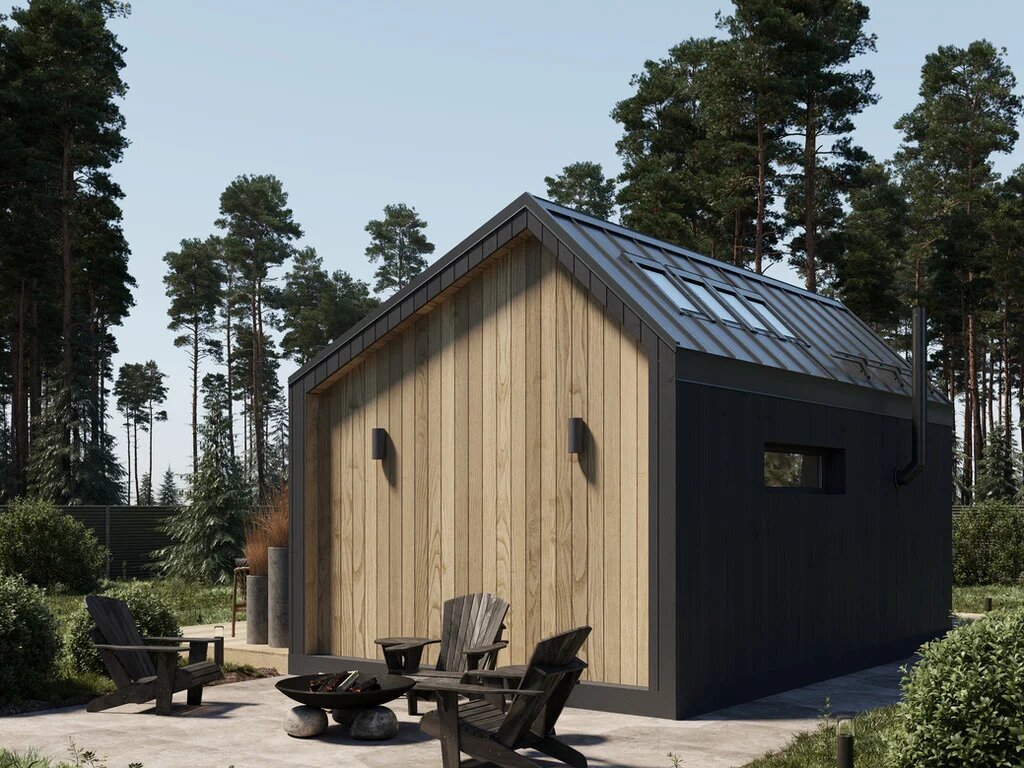
Water, Septic, and Power for a Colorado Cabin: What to Verify First
Wells and cisterns, onsite wastewater permitting, electric service and trenching, propane and standalone systems, connectivity, and freeze protection.
Verify water, septic, and power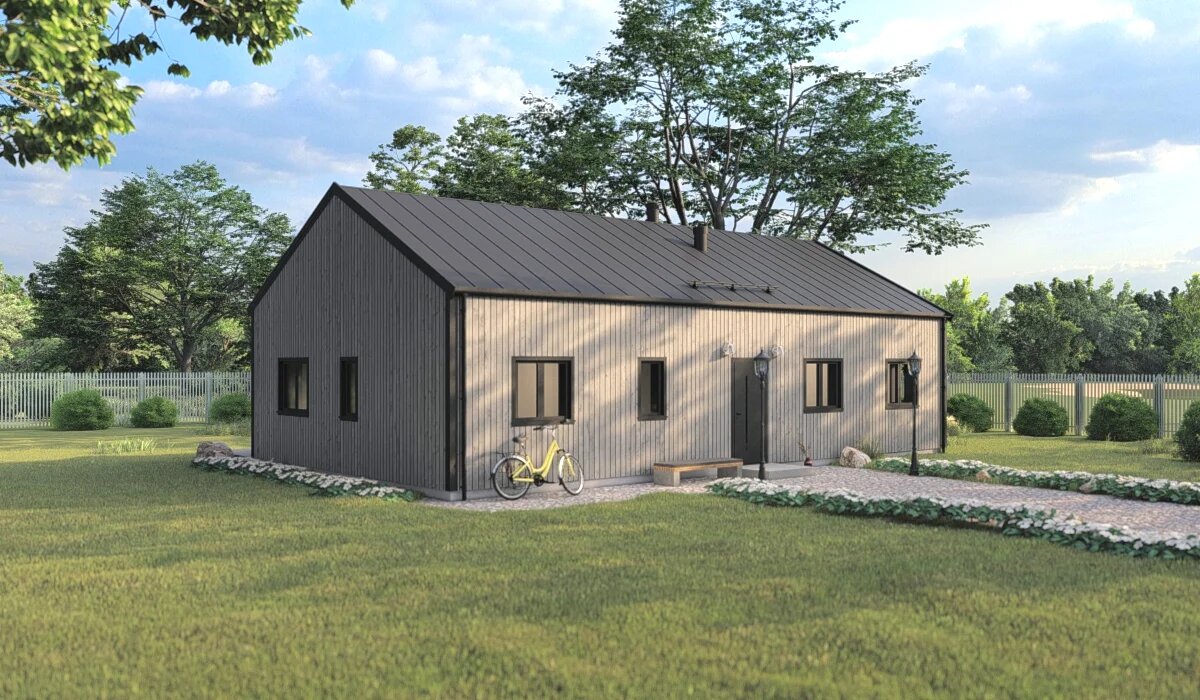
Types of Septic Systems for Colorado Properties: A Practical Guide
How tanks, drainfields, pressure distribution, mounds, and treatment units differ, and which site conditions push a Colorado property toward each one.
Compare septic system types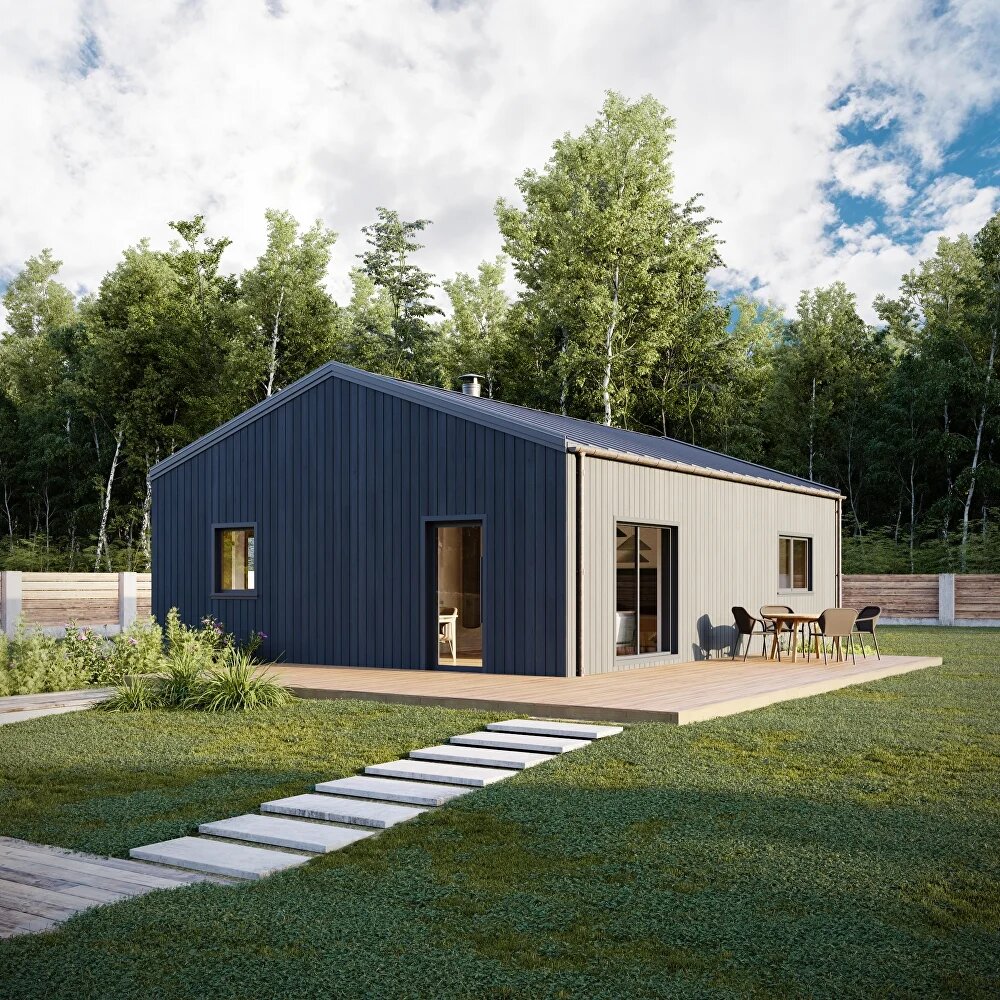
Buying Land for a Cabin in Colorado: A Due-Diligence Checklist
What to verify before buying Colorado cabin land: access and easements, allowed use, buildability, survey and title, soils, wildfire, water, wastewater, and power.
Work through the land due-diligence checklist


Have a specific parcel in mind?
Send the location, access details, and intended use and we will review feasibility before anything is committed.